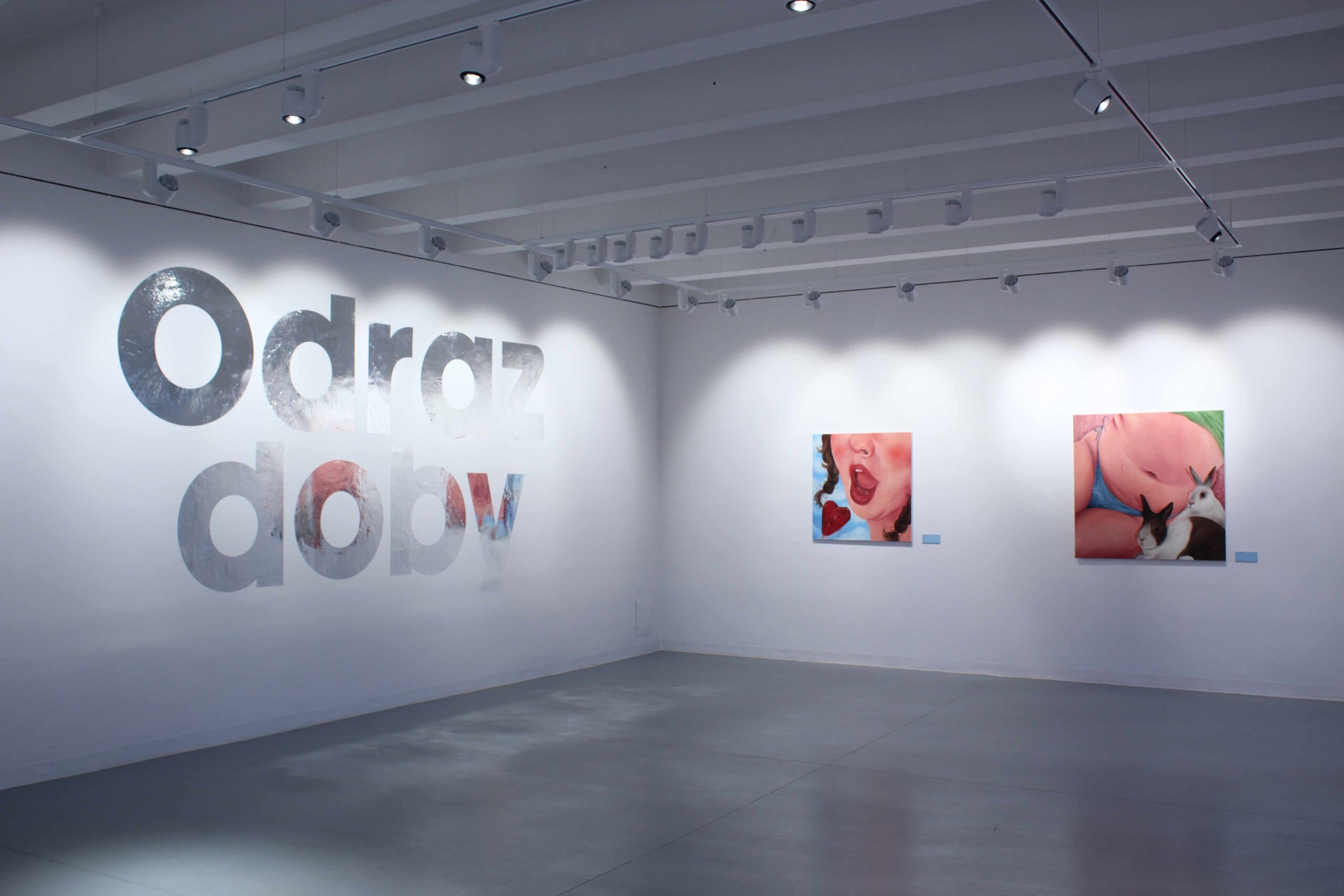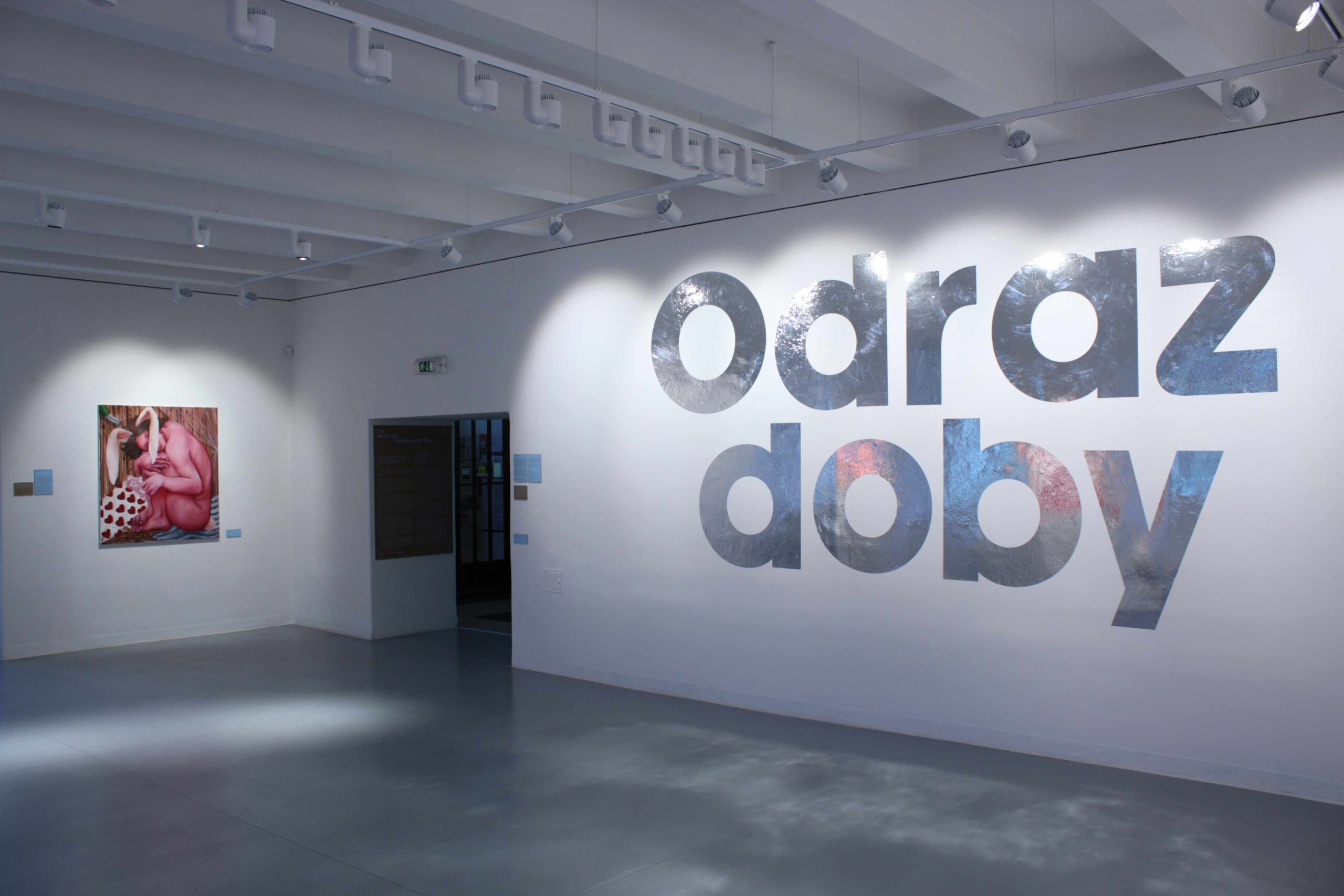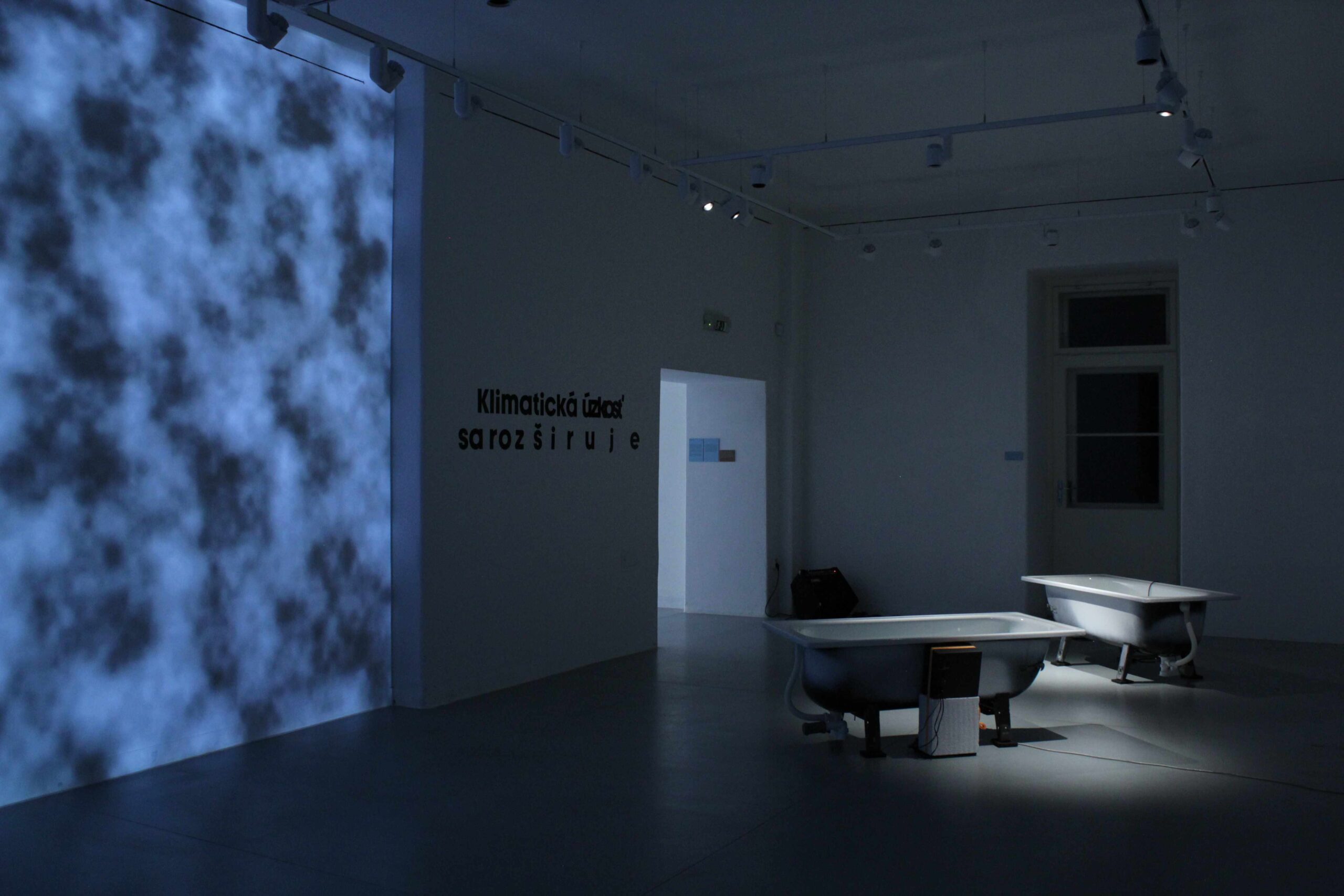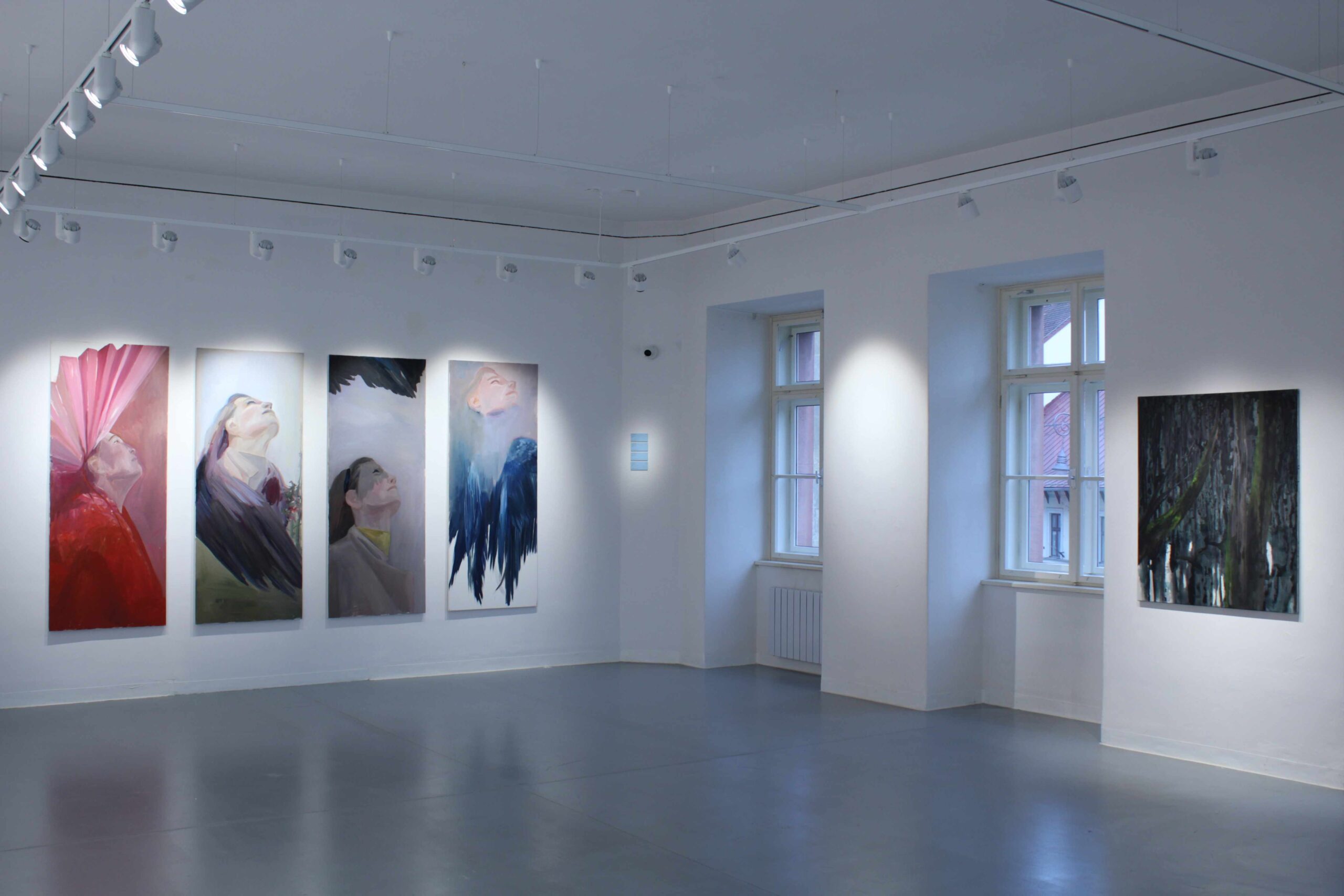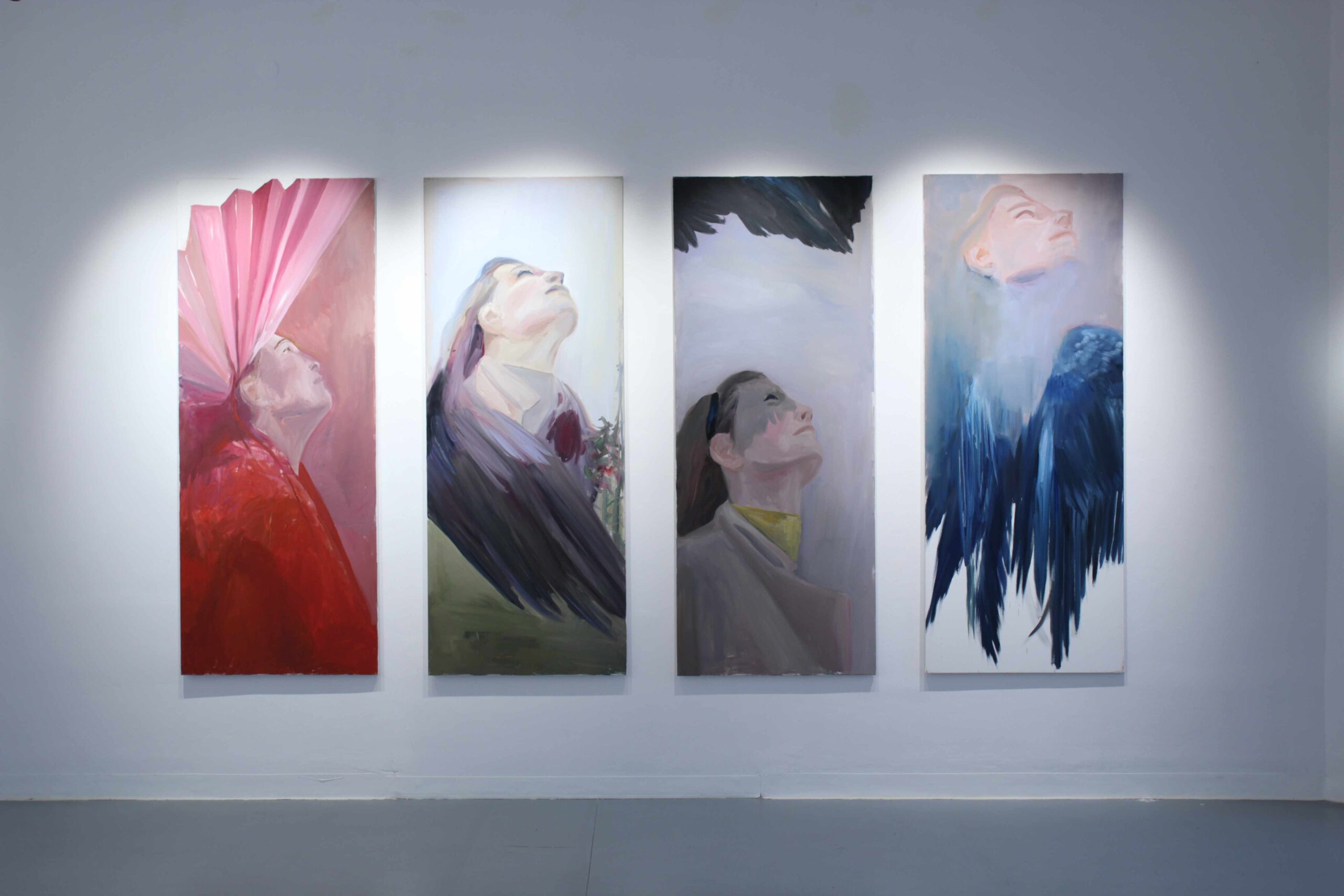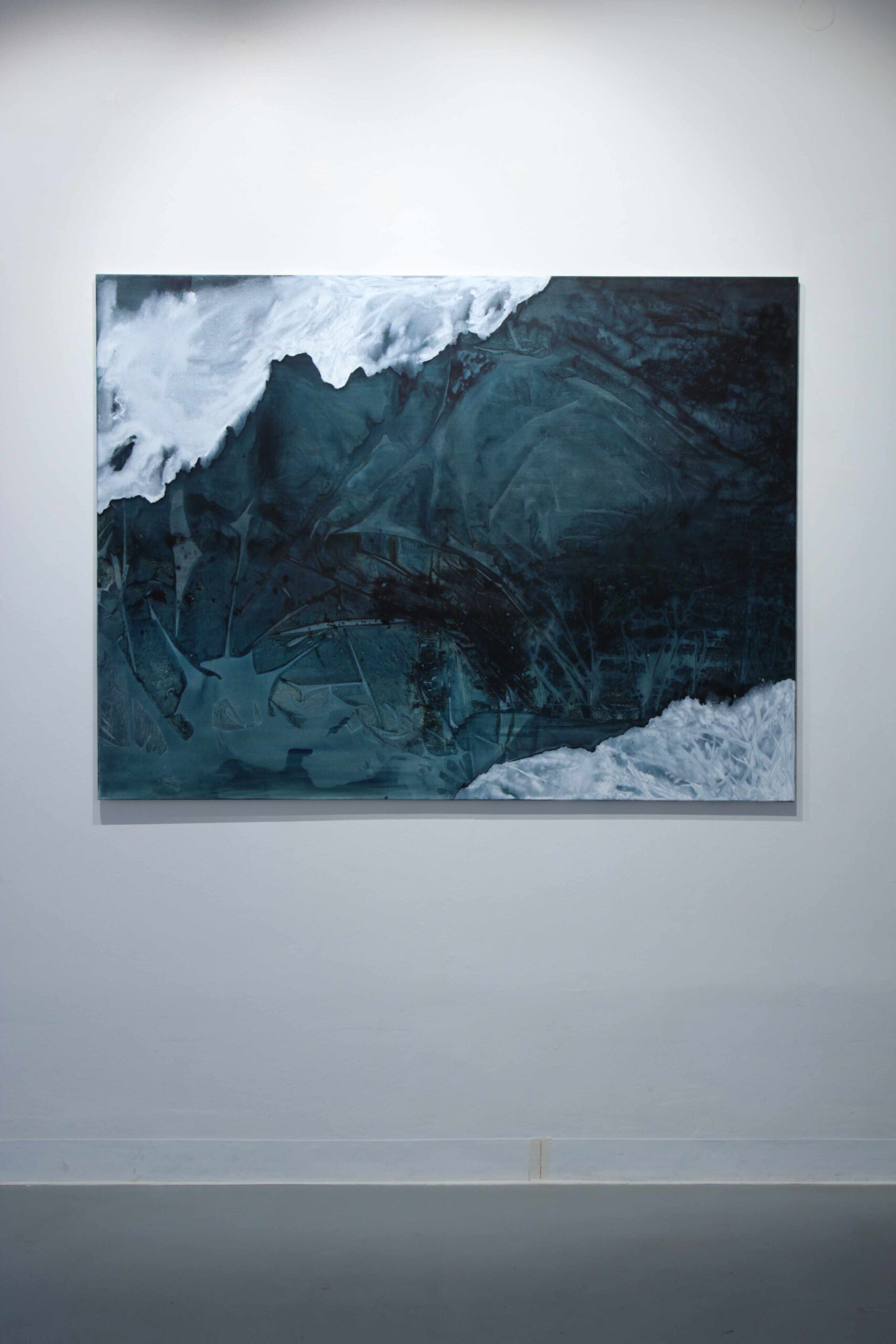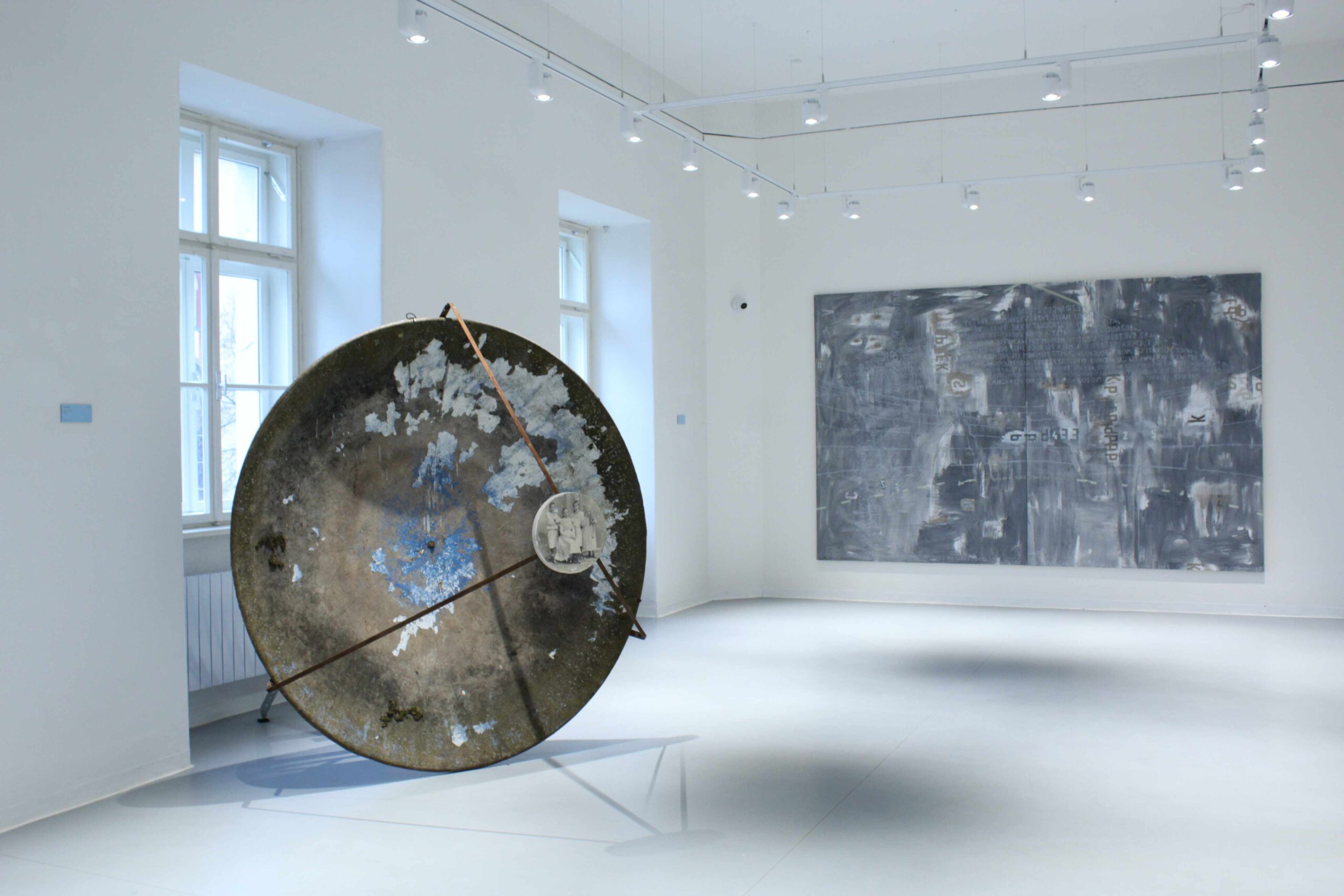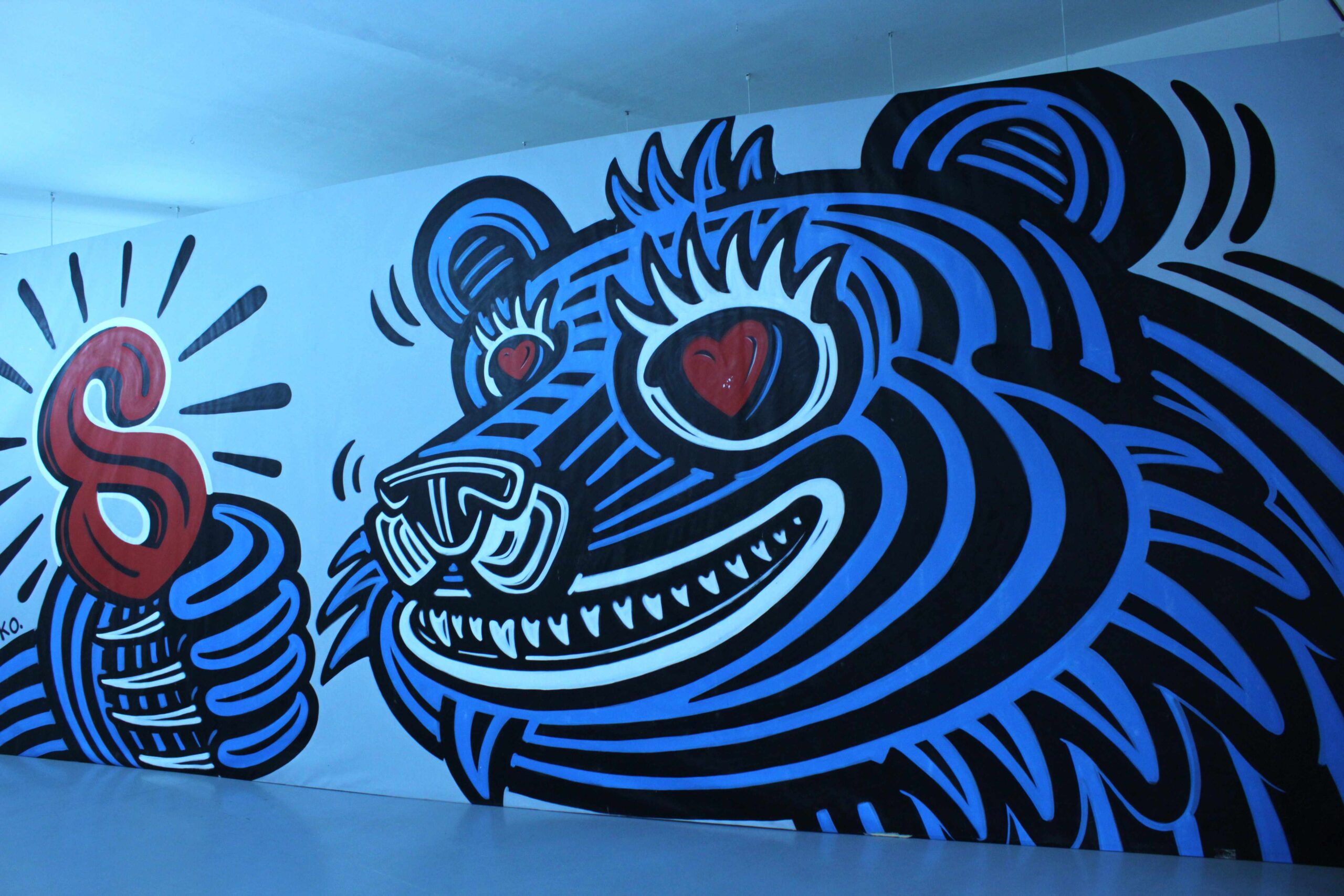

The exhibition project ‘The Doctors 3.0’ presents the contemporary forms of artistic and visual expression of third-year students from the Faculty of Fine Arts at the Academy of Arts in Banská Bystrica.
The theme of the exhibition is the exploration of identity and the role of doctoral students in art. It looks at the research, critical, therapeutic (healers of souls) aspects of artistic activity, as well as its individual and spontaneous nature. It is not just about craftsmanship, orientation and knowledge of art history; it is about taking responsibility for defining one’s own attitude, voice and intellectual ability to explain, share, and disseminate one’s work in the public sphere.
Individual multimedia artworks offer an introspective view, revealing personal experiences and attitudes towards the world around us. The hypermedia interconnection of spatial, socially engaged, and graphic art with traditional painting creates a dynamic dialogue that invites viewers to reflect on the role of artists in contemporary society. Simultaneously, observing these artistic approaches allows us to explore the essence of contemporary art, how it functions, the factors that shape its performative and participatory nature, and the social role and practical use it will acquire.
‘The Doctors’ are not only artists; they are also visionaries and poets who strive to delve deeper into psychology and social contexts, which serve as a gateway to self-critical exploration. Working in the field of art and culture currently involves various forms of creativity that are particularly vulnerable due to their fragile nature – they represent mental and psychological work that is, at first glance, invisible. However, its social impact and contribution is highly significant. It supports the creation of a healthy climate in society at its various levels, including generational, historical, and memory-related, and is also reflected in individual stories and destinies.
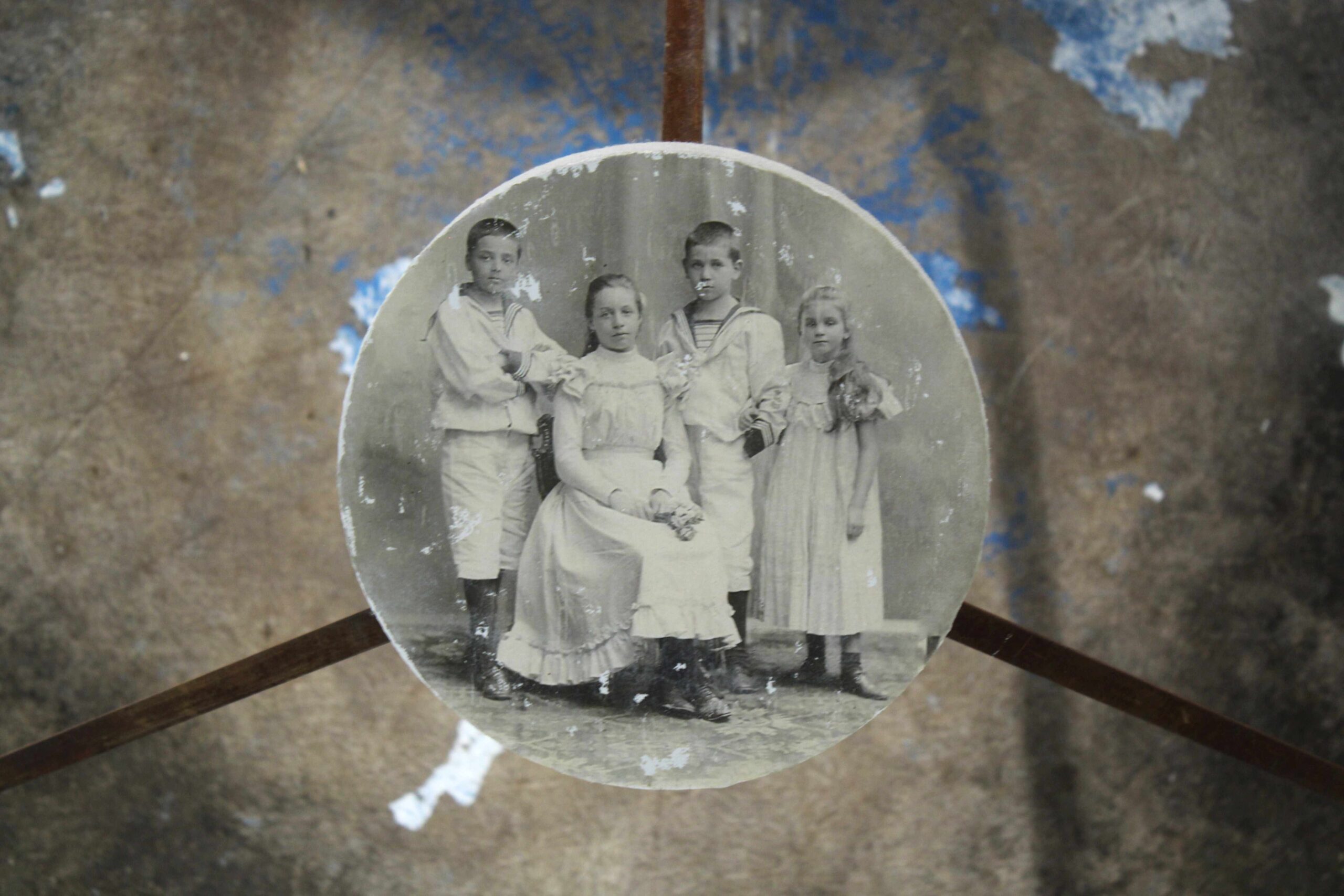
The aim of the exhibition, subtitled ‘Reflection of the Times’, is not only to explore invisible and marginal places and phenomena through archival research, but also to exhibit current and emerging works of doctoral students at the Faculty of Visual Arts at the Academy of Arts in Banská Bystrica.
Currently, we can consider the local context of art to be an authentic and specific space that refers not only to a place’s distinctive features and its unique manifestations, but also to the problematic aspects of life within this environment. The aim is therefore to capture what represents our society and how it is experienced from a human perspective, rather than just from social, geopolitical, or cultural ones. What does it mean to be human? Is humanity merely a long-forgotten term, lost in the cracks of time? Or is it an active concept in our lives? What shapes us as individuals? Is it just the everyday problems we deal with as citizens of Banská Bystrica and Slovakia? If so, which of these problems actively influence our lives? Can art reflect the times? We will explore this through the works of artists, some of whom were born in totalitarian Czechoslovakia and most of whom grew up and studied in a post-totalitarian and post-communist regime, which has fundamentally shaped their thinking and work.
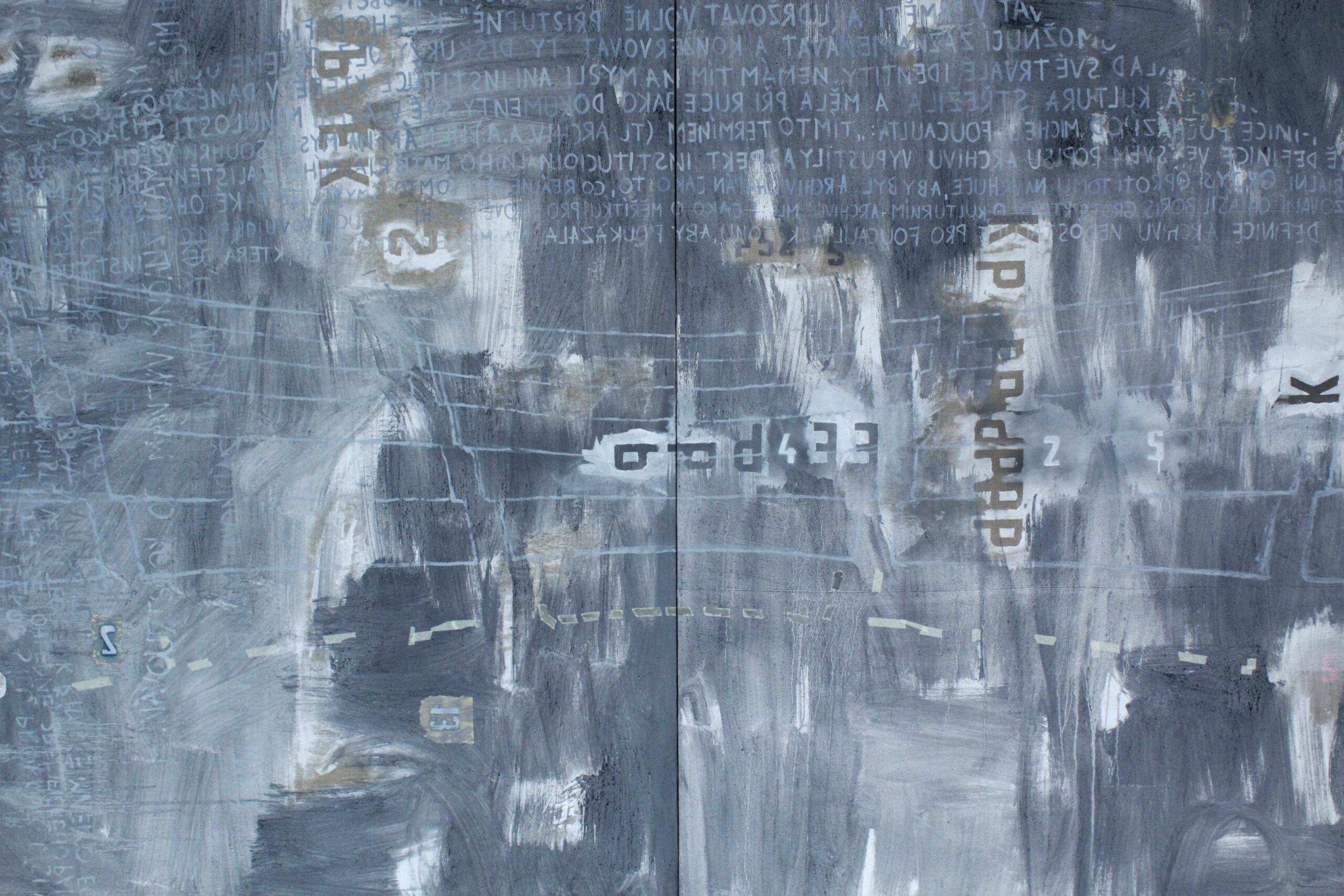
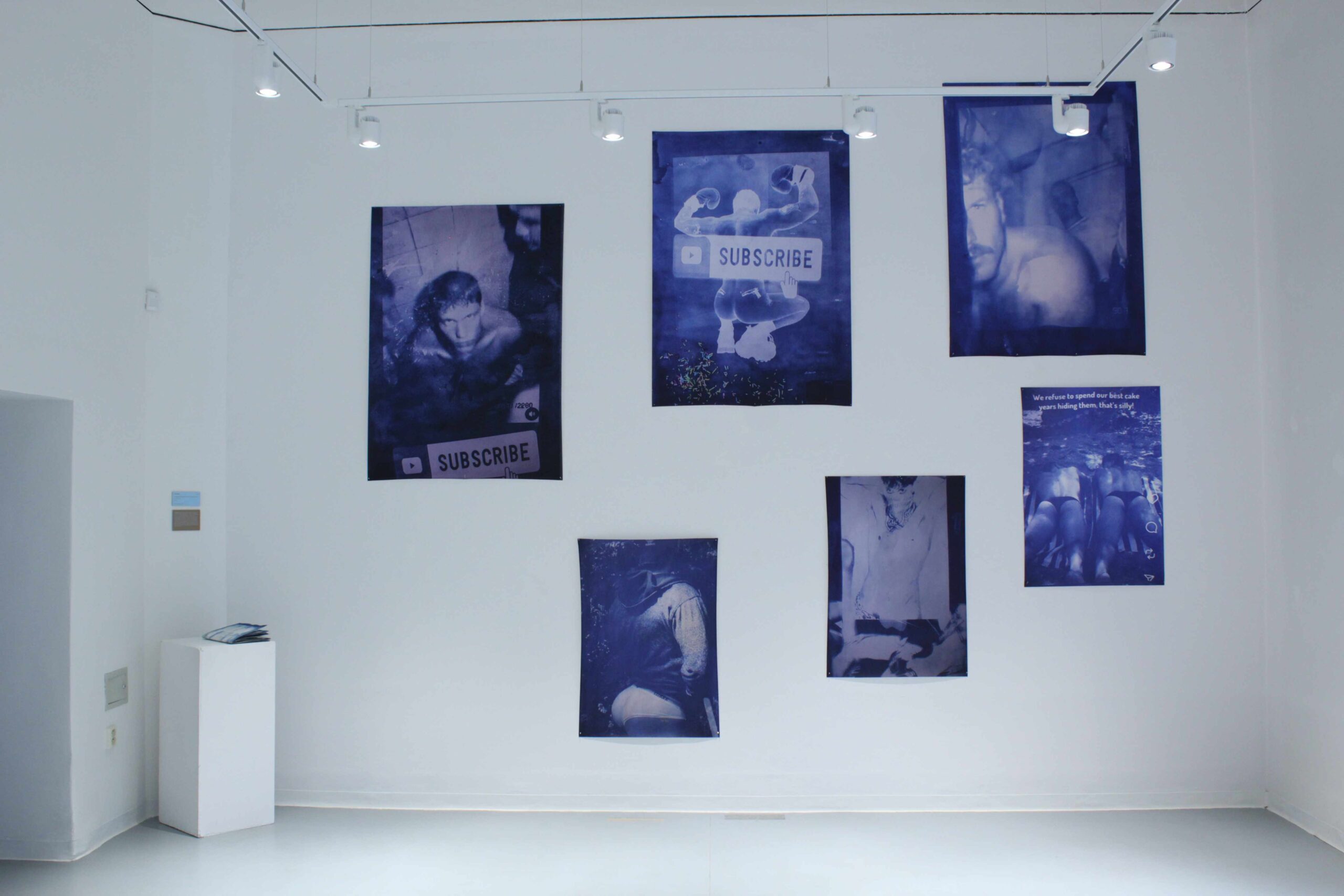
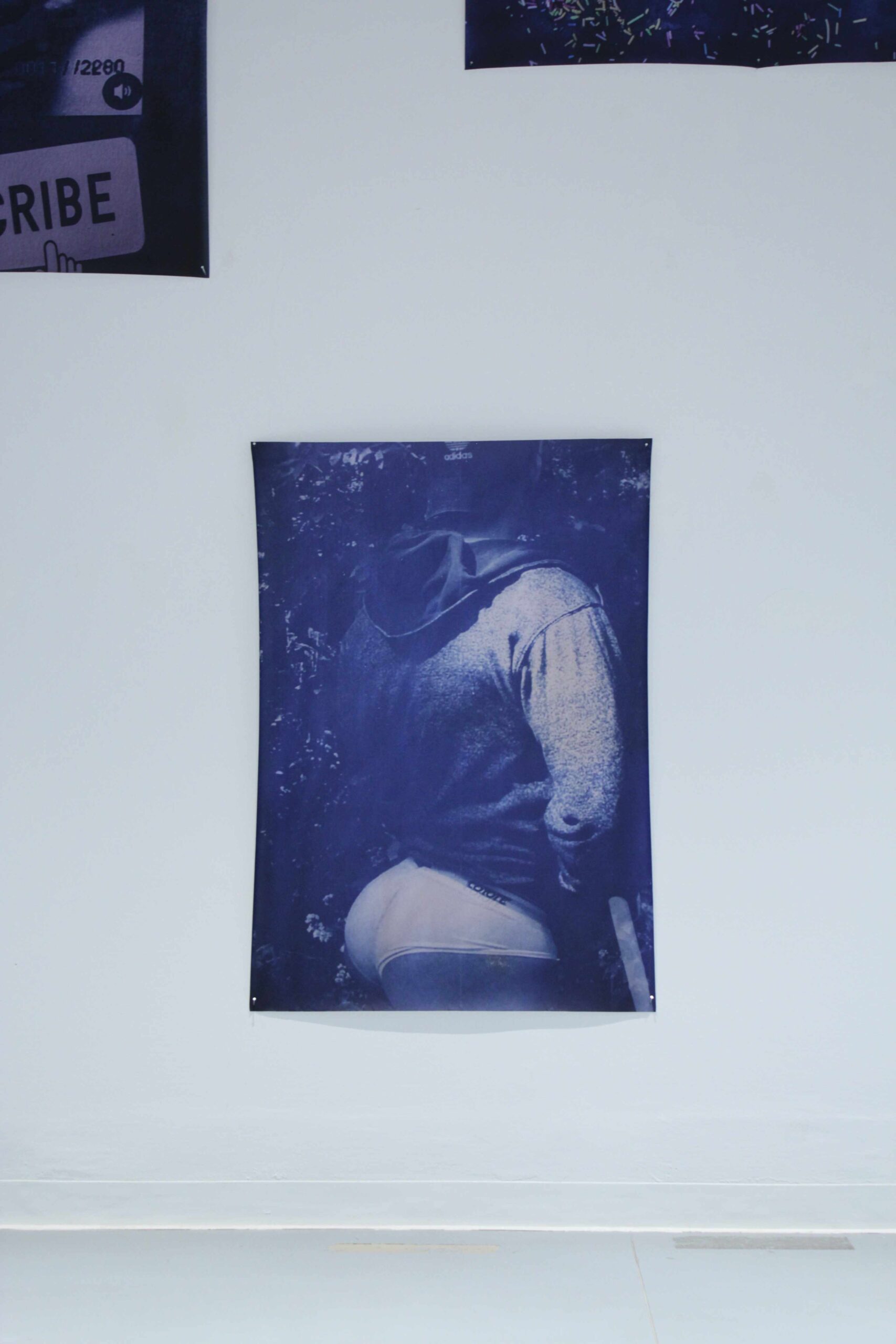
Their interests include history and its revision, memory, identity, and painterly poetry that captures the psychological and mental lives of women and girls, but also digital images of men, boys, and queer people, nature and its protection – expressed through a combination of classical and traditional painting combined with procedural events, chemical, and physical phenomena – as well as intermedia and digital language that reformulate current messages and the conceptualisation of ideas that structure our lives.
Visual artist Gabriela Birošová is the initiator and author of the Doctors project. In the exhibitions Doctors 1.0 and 2.0, subtitled ‘Gentle’ and ‘Art Heals and Educates’, she addressed current issues, which she has since developed and expanded upon in her own work, titled ‘Reflection of the Times’. The exhibition also addresses issues such as politics and society, archival archaeology, memory and history, and participation and care. These themes are particularly evident in the works of Gabriela Birošová, Martin Bízik, Adam Engler, Matúš Maťátko and Peter Decheť, who explore them through visual-critical interpretations. We view the era in which we live from different perspectives. Jana Farmanová, Dominika Kováčiková and Jana Čepa convey their personal and autobiographical views on interpersonal relationships and the natural environment.
The exhibition contains depictions of nudity. Suitable for children only when accompanied by parents or educators.
The founder of the Central Slovak Gallery is the Banská Bystrica Self-Governing Region.